
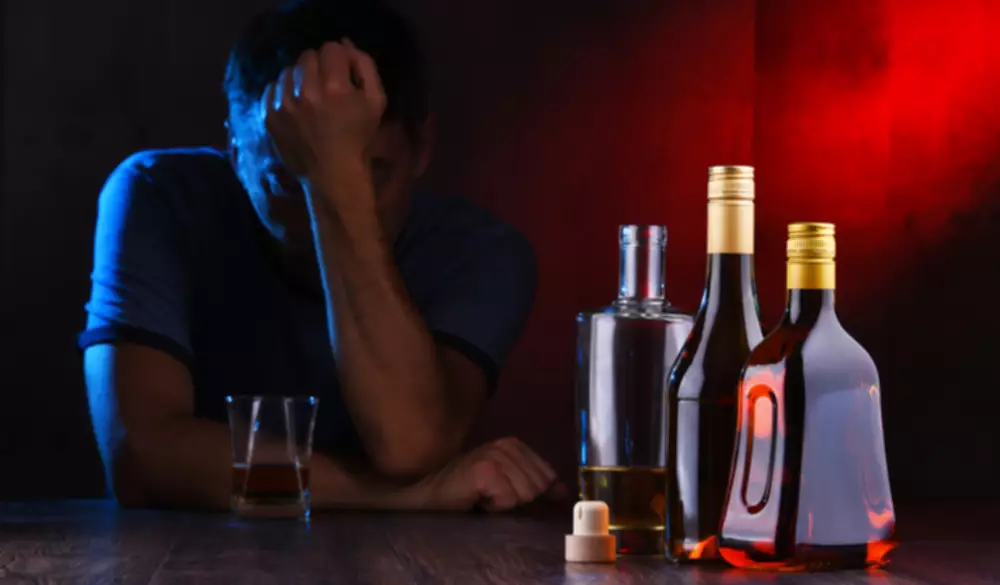
Quitting alcohol can prevent anxiety and give you the space to develop healthy means of managing your condition. Just as alcohol consumption causes a wide range of effects on the body and mind, so does the period of withdrawal. These effects contribute to day-after dread, even if you don’t have an anxiety disorder diagnosis. How long this anxiety (and other hangover symptoms) lasts depends on factors like how much you’ve consumed, your assigned sex at birth, and your weight.
- However, sometimes it indicates unrelated conditions like hepatitis, gallstones, or certain medications.
- These effects contribute to day-after dread, even if you don’t have an anxiety disorder diagnosis.
- In Massachusetts alone, excessive alcohol use claims over 1,500 lives annually, according to recent data from the CDC.
- The individual can stay in this stage for many years but eventually start showing more disordered behaviors.
- However, even a mild disorder can escalate and lead to serious problems, so early treatment is important.
- Having a beer at dinnertime (or even lunchtime) is common and in some circles, to be expected.
- Consistently drinking over a period of time leads you to develop a tolerance to alcohol.
Change in skin tone and appearance
The physical signs of alcoholism duration of inpatient treatment varies by the treatment centers that offer them. Elevated blood alcohol levels take a toll on the body’s central nervous system functions. After a certain point, alcohol poisoning becomes a factor, which can quickly shut down vital bodily processes.
Other physical signs of alcoholism
Excessive and prolonged alcohol consumption can damage various organs in the body, including the liver, heart, and brain. It can also lead to mental health disorders such as depression, anxiety, and cognitive impairment. You’ll want to find a rehab center that has medically-supervised detox capabilities so that you can comfortably and safely detox from alcohol. There are inpatient and outpatient options, but an addiction specialist should determine the best level of care for you based on your individual needs. Hangovers or withdrawal from alcohol can worsen anxiety symptoms, especially among people who drink heavily or those with alcohol use disorder. Anxiety occurs in addition to the typical health risks, which range from risky behaviors to weight gain, liver damage, and other physical effects.
- When it comes to changes in appearance, alcoholism can have a profound impact on an individual’s physical well-being.
- Go to an Al-Anon or Alateen meeting or set up an appointment with a mental health professional.
- Alcoholism is a serious and potentially life-threatening condition that affects millions of people worldwide.
- Noticeable weight loss or weight gain, flushed skin, puffy face, and bloodshot eyes can be signs of excessive alcohol consumption.
Risk factors

A person dealing with AUD may not display all the signs listed, depending on their level of alcoholism. Substance abuse According to Perelman School of Medicine, withdrawal effects can be both short-term and long-term in nature depending on the stage of alcoholism. People with a long history of alcoholism will likely experience withdrawal effects on an ongoing basis. Alcohol’s initial effects on the brain work to alter neurotransmitter production rates.
- Depending on the severity of the alcohol use disorder, this stage can be mildly annoying or severe.
- For most people who have an alcohol use disorder, the first alcohol-related life problems usually appear in the mid-20s to early 40s.
- The individual may be unable to stop drinking once they start and may experience physical withdrawal symptoms when they try to stop.
- Therefore, here are 6 physical signs God is speaking to you about someone.

While many things could lead to you developing jaundice, a common cause is high levels of alcohol consumption. Many people with alcohol use disorder hesitate to get treatment because they don’t recognize that they have a problem. An intervention from loved ones can help some people recognize and accept that they need professional help.
Symptoms of Alcoholism: How Can You Spot the Signs Early?

Alcohol is a depressant that can intensify symptoms of depression and anxiety, leading to a vicious cycle of self-medication with alcohol. Individuals struggling with alcoholism may experience memory loss, cognitive impairment, and a decline in overall mental functioning. Unexplained bruises and frequent injuries can be physical signs of alcoholism. Alcohol impairs coordination and judgment, increasing the risk of accidents and falls. Individuals struggling with alcoholism may experience frequent injuries due to impaired motor skills and impaired decision-making abilities while under the influence. Additionally, diminished physical performance, such as a decline in strength, endurance, and overall fitness, can also be attributed to the negative impact of alcohol on the body.